
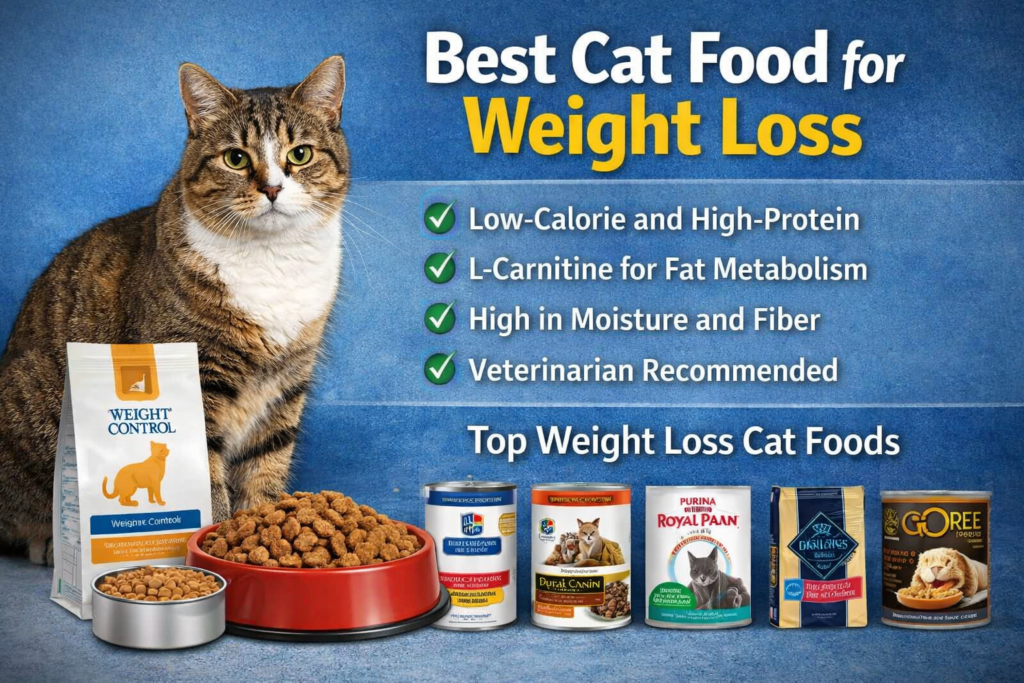
Best Cat Food for Weight Loss: A Complete Guide for Helping Your Cat Shed Pounds Safely
Maintaining a healthy weight is critical for your cat’s long-term health. Just like humans, cats can become overweight, leading to various health problems, including diabetes, joint issues, and heart disease. According to the American Veterinary Medical Association (AVMA), over 60% of cats in the United States are classified as overweight or obese. If your cat is struggling with weight, it’s essential to find the best cat food for weight loss to help them lose those extra pounds and return to a healthy weight.
In this article, we will explore what makes the best cat food for weight loss, what ingredients to look for, and recommend the top weight-loss cat foods available. We’ll also provide helpful tips on managing your cat’s weight loss journey through portion control, diet changes, and lifestyle adjustments.
Why Obesity is a Problem for Cats
Before diving into the specifics of the best cat food for weight loss, it’s important to understand why obesity is a serious problem for cats. Overweight cats are at an increased risk of developing several chronic health conditions, including:
- Diabetes: Excess fat can cause insulin resistance, leading to Type 2 diabetes.
- Arthritis: Extra weight can place strain on your cat’s joints, leading to arthritis and pain.
- Heart Disease: Overweight cats are more likely to suffer from heart disease.
- Decreased Life Expectancy: Obesity in cats can lead to a shorter lifespan due to the increased strain on organs and overall health.
Because of these risks, it’s crucial to help your cat shed excess weight through the best cat food for weight loss that supports a healthy and controlled reduction in body fat while maintaining lean muscle mass.
What to Look for in the Best Cat Food for Weight Loss
When it comes to choosing the best cat food for weight loss, it’s important to find a balanced formula that supports your cat’s health while reducing caloric intake. Here are the essential components of weight loss cat food:
1. High Protein Content
Cats are obligate carnivores, meaning they need animal protein to maintain muscle mass and energy levels. The best weight loss cat food should contain high-quality animal protein as the primary ingredient, such as chicken, turkey, or fish. Protein helps maintain lean muscle mass during weight loss, which is essential for keeping your cat’s metabolism healthy. It also helps keep your cat feeling full, reducing the likelihood of them begging for food between meals.
2. Low-Calorie Formula
One of the most important factors in best cat food for weight loss is the calorie content. Weight loss can only occur when your cat consumes fewer calories than they burn. However, it’s not just about reducing calories—it’s about maintaining balanced nutrition. Look for foods with lower calorie density to reduce fat without compromising vital nutrients. Many weight loss cat foods have lower fat content and carefully measured portion sizes to help keep calorie intake in check.
3. Fiber to Help Your Cat Feel Full
Fiber plays an essential role in any best cat food for weight loss because it helps increase satiety, ensuring your cat feels full after meals. This reduces the chances of overeating and helps with digestion. Foods rich in fiber help regulate your cat’s digestive system, keeping their gastrointestinal tract healthy.
Look for ingredients like pumpkin, sweet potatoes, and beet pulp, which are excellent sources of fiber. These ingredients not only provide fiber but also help regulate blood sugar levels, making your cat feel fuller for longer.
4. Healthy Fats
While you may want to lower fat intake in your cat’s diet, some healthy fats are still essential for maintaining coat health, cognitive function, and overall well-being. The best cat food for weight loss should include healthy sources of fat such as fish oil or flaxseed, which provide omega-3 and omega-6 fatty acids. These fats help reduce inflammation, support joint health, and keep your cat’s skin and coat shiny and healthy. Just ensure the fat content remains moderate—too much fat can hinder weight loss.
5. Portion Control-Friendly
The best way to manage your cat’s weight is through portion control. The best cat food for weight loss should have clear feeding guidelines based on your cat’s weight, activity level, and age. Feeding your cat a consistent amount of food and sticking to regular meal times is crucial to avoid overeating. Avoid free-feeding, as this can result in your cat consuming more calories than necessary.
The Best Cat Food for Weight Loss: Top Picks
When selecting the best cat food for weight loss, it’s important to choose a brand that offers both low-calorie content and balanced nutrition. Below are some of the best options available on the market:
1. Hill’s Science Diet Adult Perfect Weight
Hill’s Science Diet is a trusted name in pet nutrition, and their Adult Perfect Weight formula is specifically designed to help cats maintain a healthy weight.
- Protein: Chicken is the first ingredient.
- Calories: A low-calorie formula with less than 300 kcal per cup.
- Fiber: Contains beet pulp to help with digestion and satiety.
- Other Features: This food includes natural ingredients and is enriched with Omega-6 fatty acids for healthy skin and coat.
2. Royal Canin Feline Weight Care
Royal Canin’s Weight Care formula is crafted to help your cat lose weight while still supporting their overall health.
- Protein: High-quality chicken protein helps maintain muscle mass.
- Calories: Designed with a reduced-calorie formula to aid in weight loss.
- Fiber: Contains lignocellulose to help your cat feel fuller.
- Other Features: Rich in Omega-3 fatty acids to support joint and skin health.
3. Wellness CORE RawRev High-Protein, Low-Fat
Wellness CORE’s RawRev formula offers a high-protein, low-fat option that helps your cat lose weight while maintaining muscle.
- Protein: Freeze-dried chicken and turkey provide high-quality protein.
- Calories: A low-calorie, high-protein formula that promotes weight loss.
- Fiber: Includes pea fiber for digestive health.
- Other Features: Omega-3 and Omega-6 fatty acids support a healthy coat and skin.
4. Blue Buffalo Weight Control
Blue Buffalo’s Weight Control formula is designed to help overweight cats reach a healthy weight.
- Protein: Chicken as the first ingredient provides lean protein for muscle retention.
- Calories: Reduced-calorie content for weight management.
- Fiber: Includes whole grains and pumpkin to support digestion.
- Other Features: Packed with Omega-3 and Omega-6 fatty acids for healthy skin and coat.
5. Natural Balance L.I.D. Limited Ingredient Diets Weight Loss
Natural Balance’s L.I.D. Limited Ingredient Diets is perfect for cats with sensitivities and weight issues.
- Protein: Turkey is the primary protein source.
- Calories: Low-calorie formula designed for weight loss.
- Fiber: Contains peas and sweet potatoes to support digestive health.
- Other Features: Hypoallergenic formula free from common allergens.
Portion Control and Feeding Tips for Weight Loss
In addition to choosing the best cat food for weight loss, portion control is a crucial factor in your cat’s weight loss journey. Here are some tips to help you manage your cat’s portions and ensure a successful weight loss program:
1. Measure Food Accurately
Use a measuring cup to ensure that you’re feeding your cat the correct portion size. Avoid eye-balling it or using your cat’s bowl as a measurement.
2. Feed Smaller, More Frequent Meals
Instead of giving your cat one large meal, break their daily food into smaller, more frequent meals. This helps keep their metabolism active and prevents them from getting hungry between meals.
3. Slow-Feed Bowls
Use slow-feed bowls or puzzle feeders to encourage your cat to eat slowly. These tools can make mealtime more engaging and help your cat feel fuller with less food.
4. Regular Weight Monitoring
Weigh your cat regularly to track their progress. Gradual weight loss is healthy, and you should aim for your cat to lose around 1-2% of their body weight per week.
Common Mistakes to Avoid When Feeding Weight Loss Cat Food
Feeding your cat the best food for weight loss requires careful planning. Here are some common mistakes to avoid:
1. Overfeeding
Even if you’re feeding your cat weight loss food, portion control is crucial. Overfeeding can lead to weight gain, so always measure the food.
2. Adding Supplements Without Vet Approval
Merck suggests that calcium, phosphorus, and vitamin D supplements should only be added to your cat’s diet if recommended by a vet, as over-supplementing can lead to health problems.
3. Not Monitoring Progress Regularly
It’s important to regularly monitor your cat’s weight and adjust their diet and portions as needed.
Final Thoughts
The best cat food for weight loss will provide your cat with the necessary nutrients while helping them shed pounds safely. Look for food that is high in protein, low in calories, and contains fiber to promote satiety. Portion control, regular feeding schedules, and exercise are just as important in achieving a healthy weight. With the right food and feeding habits, your cat can lose weight and live a longer, healthier life.
FAQ
What is the best cat food for weight loss?
The best cat food for weight loss is one that is high in protein, low in calories, and rich in fiber. Some top picks include Hill’s Science Diet Adult Perfect Weight and Royal Canin Feline Weight Care.
How can I help my cat lose weight?
You can help your cat lose weight by selecting a low-calorie, high-protein food and feeding them in measured portions. Regular exercise and monitoring their weight are also essential.
Can I feed my overweight cat regular food?
Feeding your overweight cat regular food might make it harder for them to lose weight. Weight-loss foods are specially formulated to help them shed pounds safely.
Is dry food or wet food better for weight loss?
Both dry and wet food can work for weight loss, but wet food generally has fewer calories per volume. Choose food based on your cat’s preferences and dietary needs.
How often should I feed my cat weight loss food?
Feed your cat smaller, more frequent meals throughout the day to support their metabolism and avoid overeating.