
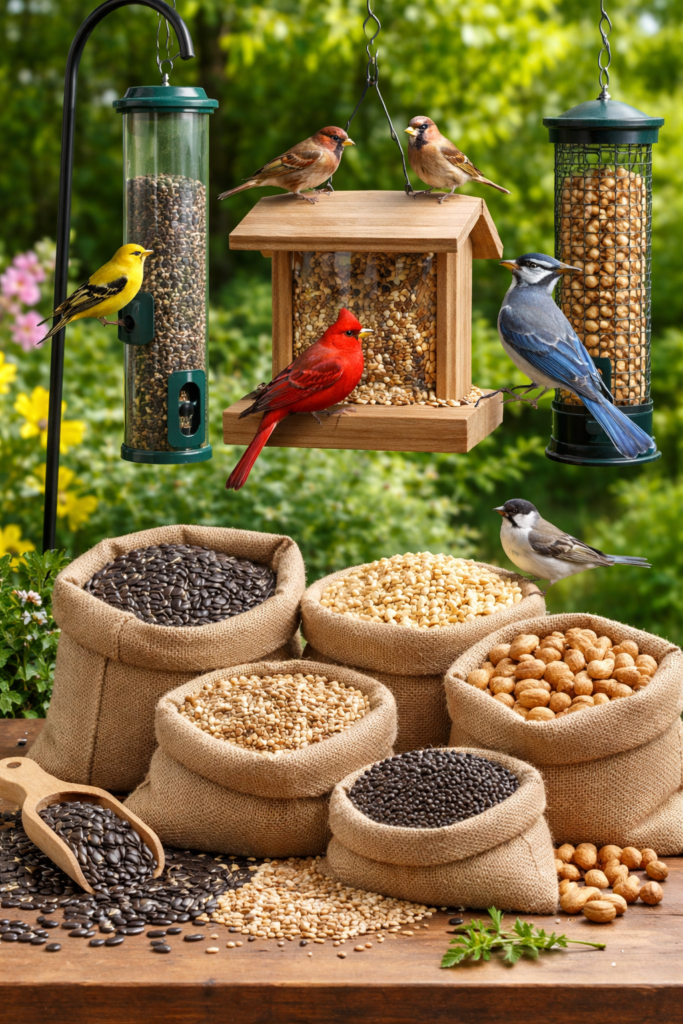
Best Seeds for Birds: A Complete Guide to Feeding Backyard and Wild Birds
Feeding birds is one of the easiest ways to make your outdoor space more lively and enjoyable. A simple feeder can bring colour, movement, and sound into your garden while also supporting local wildlife. However, many people buy seed without really knowing what different birds prefer. As a result, they end up with messy feeders, wasted seed, and fewer bird visitors than expected.
Choosing the right feed can make a major difference. Some birds prefer sunflower, while others are more attracted to nyjer, safflower, millet, or peanuts. The best choice depends on the species in your area, the season, and the type of feeder you use. Instead of buying a cheap mix and hoping for the best, it is smarter to understand what each type of seed offers.
This guide explains which options work best for common backyard birds, which seeds attract specific species such as cardinals and finches, and which filler ingredients are better avoided. By the end, you will have a much clearer idea of how to build a cleaner, more effective bird-feeding setup.
Best Seeds for Birds for Backyard Feeding
The quality of your bird food has a direct effect on the number and variety of birds that visit. Low-cost mixes often contain fillers that many birds simply throw aside while searching for the parts they like. This creates waste under the feeder and may even attract pests.
A better-quality blend provides stronger nutrition and leads to more consistent activity. Birds return to places where food is reliable and worth eating. That is why premium seed often performs better, even if the bag costs more at first.
For most gardens, the goal should be to offer food that is both attractive and nutritious. A small improvement in seed quality can lead to noticeably better results.
Why the Right Bird Seed Matters for Wild Birds
Wild birds need energy for flying, nesting, migration, and surviving difficult weather conditions. During winter and breeding seasons, their energy needs rise even further. If your feeder contains low-value ingredients, birds may ignore it or visit less often.
Good seed supports regular feeding and provides the calories birds need. It also helps reduce unnecessary waste. The right food turns your feeder into a dependable stop, especially when natural food sources are limited.
This is why choosing better ingredients is not only about attracting more birds. It also helps create a healthier and more useful feeding station.
Best Seeds for Birds: Black Oil Sunflower Seeds
Black oil sunflower seed is widely considered the top all-round choice for bird feeding. It attracts a large range of species and provides excellent energy because of its high oil content. The shell is thinner than many other sunflower varieties, which makes it easier for birds to crack open.
Birds commonly attracted to this seed include cardinals, chickadees, finches, titmice, nuthatches, woodpeckers, and grosbeaks. Because it works for so many species, it is often the first recommendation for beginners.
It also works well in several feeder styles, including tube, hopper, and platform feeders. If you are starting with one main option, black oil sunflower is usually the safest and most reliable place to begin.
Best Seeds for Birds That Attract Cardinals
Cardinals are among the most popular backyard birds, and they respond especially well to sunflower and safflower. Their strong beaks make it easy for them to handle larger seeds, and they tend to favour stable feeders with enough space to perch comfortably.
Safflower can be especially useful if you want to reduce visits from less desirable feeder guests, since not all species like it equally. For anyone hoping to bring in more red cardinals, these two choices are usually the most effective.
Using a combination of sunflower and safflower often creates the best results in gardens where cardinals are already present nearby.
Best Seeds for Birds That Attract Finches
Finches have more specialised preferences than many other common feeder birds. Nyjer is one of the top foods for goldfinches, house finches, and purple finches. Because the seeds are tiny, they work best in feeders designed specifically for them.
Sunflower chips are another excellent option for finches. They are easy to eat, rich in energy, and produce less mess than whole seeds. If your goal is to attract small, active songbirds, these choices are much more effective than ordinary mixed seed.
Freshness matters here. Nyjer that is old or damp quickly loses its appeal, so proper storage is important.
Best Seeds for Birds That Attract Blue Jays
Blue jays are larger, bolder, and more powerful than many songbirds. They often prefer foods that are a little bigger and more filling. Sunflower kernels and peanuts are especially attractive to them.
These birds tend to do well with platform or tray feeders where they have more room to land and feed. If you want to add more variety to your garden visitors, offering peanuts can be a very effective step.
A yard that combines different food types often attracts a wider range of species, and blue jays are a good example of why variety matters.
Best Seeds for Birds for Winter Feeding
Winter places extra pressure on birds because they need more calories to maintain body heat. At the same time, insects, berries, and natural seeds are often harder to find. This makes your feeders especially valuable during cold weather.
High-energy foods perform best in winter. Black oil sunflower, sunflower chips, safflower, and peanuts are all strong choices. They provide the fat and calories birds need to stay active and warm.
Keeping feeders full and clean during this season can make a noticeable difference. Birds often return daily to dependable winter food sources, especially when conditions are harsh.
Best Seeds for Birds for Different Feeder Types
Seed choice works best when matched with the correct feeder. Even high-quality food may produce poor results if it is served in the wrong setup.
Different feeder designs suit different bird species and feeding habits. Matching the two properly improves access, reduces waste, and helps attract the birds you want to see most.
Best Seeds for Birds for Tube Feeders
Tube feeders work especially well for sunflower, sunflower chips, and nyjer. These foods flow well and stay relatively protected. They are ideal for smaller birds such as finches, chickadees, and nuthatches.
If you want a clean, efficient feeding station with regular activity, this is one of the most practical combinations.
Best Seeds for Birds for Platform Feeders
Platform feeders are open and flexible. They suit larger birds and species that prefer feeding in open spaces rather than clinging to narrow perches. Millet, peanuts, sunflower, and cracked corn all work here depending on the birds you want to attract.
This style is particularly useful for doves, jays, sparrows, and juncos. It also allows you to offer several food types at once.
Best Seeds for Birds for Hopper Feeders
Hopper feeders are a popular all-purpose choice. They can hold a fair amount of food and protect it from some weather. Sunflower, safflower, and quality mixed blends work especially well in this style.
Because multiple birds can feed at one time, hopper feeders are often a good option for busy gardens with steady bird traffic.
Seed Blends to Choose and Fillers to Avoid
Not every birdseed mix is worth buying. A good blend usually contains useful ingredients such as sunflower, safflower, white millet, or sunflower chips. A poor blend often relies on cheap fillers like red milo or large amounts of wheat, which many backyard birds simply leave behind.
This is why reading the ingredient list matters. A lower price does not always mean better value. If a large share of the bag ends up on the ground, the cheaper mix may actually cost more over time.
Quality matters more than quantity when it comes to attracting birds effectively.
How to Choose the Best Option for Your Backyard
The smartest choice depends on what you want to attract. If you want the broadest appeal, start with black oil sunflower. If cardinals are your priority, add safflower. If you enjoy finches, include nyjer or sunflower chips. If you want to support ground-feeding birds, white millet can help. If you want jays and woodpeckers, peanuts are worth adding.
It is often best to experiment with two or three options and observe which birds visit most often. Bird feeding is not exactly the same in every location, so your own yard can teach you a lot over time.
A flexible approach usually works better than relying on one generic mix for everything.
Feeding Birds in Small and Large Spaces
A small balcony or compact garden can still attract plenty of birds if you choose cleaner, high-value food. Sunflower chips and nyjer are particularly useful in smaller spaces because they create less mess.
In a larger garden, you have more freedom to use several feeders with different foods. One feeder can hold sunflower, another can offer nyjer, and a tray feeder can provide peanuts or millet. This kind of setup attracts a wider range of species and creates a more active feeding area overall.
Space changes the setup, but it does not change the importance of choosing good ingredients.
Common Bird Feeding Mistakes
One frequent mistake is buying bird food based only on price. Low-cost blends often contain large amounts of unwanted filler. Another mistake is using stale or damp seed, which birds may avoid and which can become unsafe.
Some people also use the wrong feeder for the seed type. Tiny seeds in an open tray may blow away, while larger foods in a narrow feeder may not be easy for birds to access. Poor feeder hygiene is another issue. Even excellent food loses value if the feeder is dirty.
Regular cleaning, proper storage, and better seed choices all help improve results.
Final Thoughts on the Best Seeds for Birds
A good feeding station is not built by chance. It comes from using food that birds actually want and serving it in a practical way. Black oil sunflower remains the best all-round choice for most people because it attracts many common species and offers strong nutrition. Safflower is excellent for cardinals, nyjer works very well for finches, millet helps support ground-feeding birds, and peanuts are ideal for larger visitors like blue jays.
Instead of focusing on the biggest bag at the lowest price, focus on quality and suitability. That approach brings more birds, less waste, and a more enjoyable backyard experience.
What Are the Best Seeds for Birds?
The strongest overall options usually include black oil sunflower, safflower, nyjer, white millet, and sunflower chips. The ideal choice depends on the species you want to attract.
Are Sunflower Seeds the Best Seeds for Birds?
For many backyards, yes. Black oil sunflower is one of the most effective all-purpose choices because of its wide appeal and high energy value.
What Are the Best Seeds for Birds in Winter?
In colder months, birds benefit most from high-fat, high-energy foods such as sunflower, sunflower chips, safflower, and peanuts.
What Are the Best Seeds for Birds for Cardinals?
Cardinals are especially attracted to black oil sunflower and safflower.
What Are the Best Seeds for Birds for Finches?
Finches respond best to nyjer and sunflower chips, especially when offered in suitable feeders.